
Sun Hazards in Your Car
More than your skin and hair, the sun can also pose a threat to your vehicle, especially when exposed under direct sunlight over a long period or time, with little or no protection. Here are some ways it can manifest it on your vehicle:...
Your tint. Your price.
See your car tint price online. For your home or business, tell us about the glass and we’ll put together a quote.
No obligation. Prefer a chat? 0800 009 2980
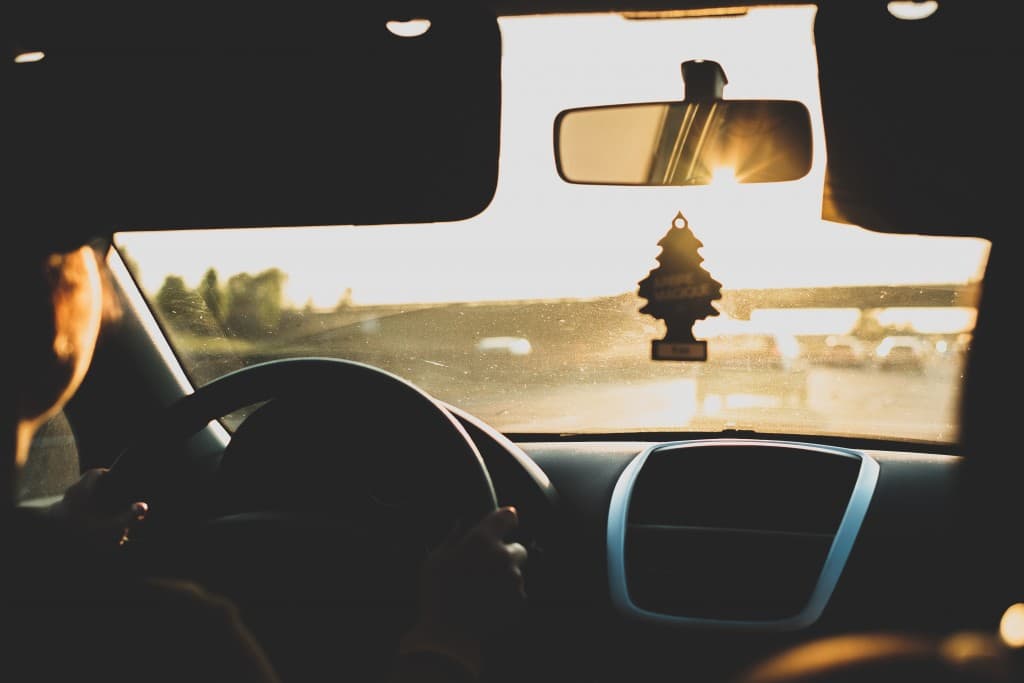
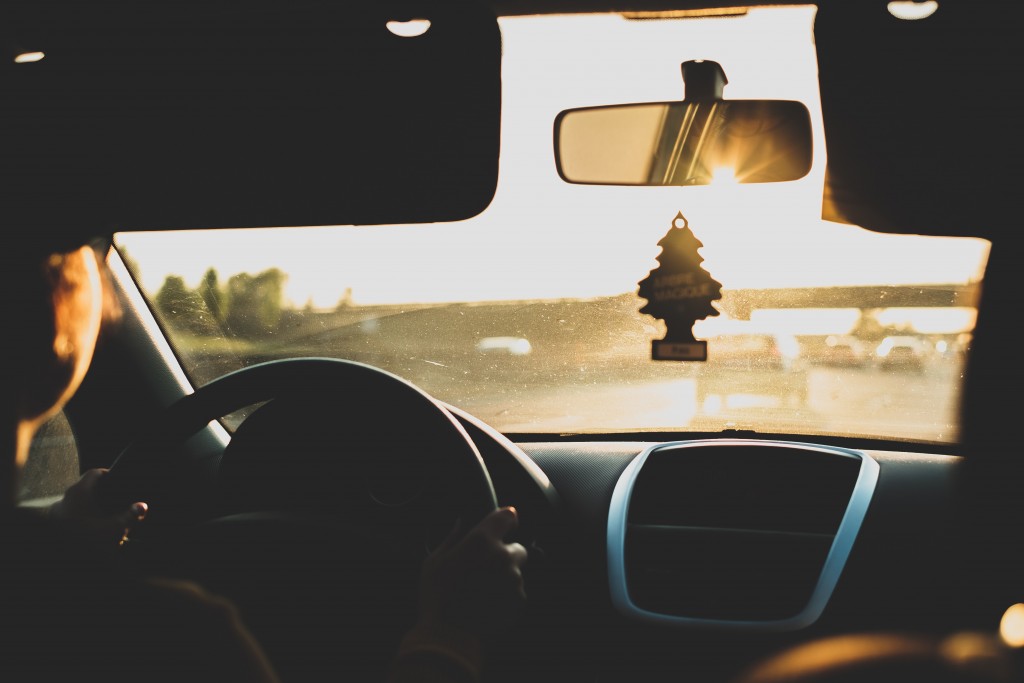
More than your skin and hair, the sun can also pose a threat to your vehicle, especially when exposed under direct sunlight over a long period or time, with little or no protection. Here are some ways it can manifest it on your vehicle:
Paint and Body
Think of it this way: the effect of direct heat on a car’s paint isn’t that different than the effect of too much sun on your skin. Apart from simply parking in shade, it’s also important to bathe, dry, polish and wax your car regularly; failure to do so might permanently damage your paint in the long run.
Tires
Although it is not directly exposed to the hot sun rays, the tires on your car can also receive damages from the heat indirectly, considering the hot road surface it rolls on to.
A hot car on hot road is just begging to blow out. In the long run or in an event of overexposure to heat, your tires can be damaged and dried out. Worse, the heat can also cause the air pressure to increase in your tires, which can make them ride on less of the surface area. This posts a threat on safety because when a tire is over-inflated, it causes the center of your tire to wear faster than the outer edges.
This principle also applies true to windshield wipers, and other rubberized trims of your vehicle, such as belts and hoses.
Engine
A hot engine needs all the lubrication and coolant it can get, especially on a hot summer day as it travels lengths of distance. Remember, your battery is composed of both water and acid, which provide the power. In the heat of summer, the water can evaporate, which exposes the lead plates inside it.
Moreover, since the sun is out and glaring, majority of travelers by car will tend to blast their air conditioning unit to its full capacity. This can preempt your car’s engine wear and tear too! At the same time, your fuel tank can also be emptied faster because of this, as well as it can evaporate way faster during summer compared to the colder months.
Interior
Over time, the plastic areas of your dashboard and other interior elements can begin to crack due to UV damage. These areas can also become discolored. If you have a touch screen in your vehicle, as many newer cars do, it could get damaged by the sun’s rays (in much the same way that your smartphone’s screen could get damaged by heat and sun exposure). The best thing you can do to prevent interior damage to your vehicle is to park in the shade whenever you can. If you don’t have a garage or carport, try to place a sun shield in your windscreen when you can.
While nobody and nothing can really escape from the sun, there are some measures you can do to help your vehicle deal and cope with it better. One of the most advisable things to do is tinting your car windows, which will not only protect you, but also protect your car from the sun’s hazards.
The heat and UV rays doesn’t only endanger your skin but can also affect your car’s interior. These rays mixed with the high temperature can cause the interior upholstery of your car to fade faster, making it look older than it is.
At the same time, the wood trim and dashboard can also suffer from the heat too! It can cause the wood to fade. Plastic parts of the interior can also succumb to the heat and have cracks.
Car tint keeps your car interior from heat that can damage it from warping, fading, or cracking. It blocks 90% or more of harmful UV rays while also significantly reducing heat. By installing it to your windows, you prevent your car’s interior from deteriorating at a much faster pace.
Many people actually want their cars be tinted come summertime to have access to tinting’s benefits to its passengers: lessen or get rid of the sun’s glare, keep the vehicle cooler and protect the interiors from premature deterioration caused by the sun.
The summertime is generally warmer, which is actually a plus for car tinting. According to experts, the higher the temperature is, the tint will dry down and “cure” faster naturally. But, as the humidity also rises, it can compromise the actual application of the films. High humidity can effect the way tint adheres to glass better, and drying faster at the same time.
SOURCES:
http://easyenergysavingtips.com/top-5-benefits-car-window-tinting/
http://hubpages.com/autos/Why-Should-I-tint-my-car-windows
https://news.leavitt.com/personal/summer-heat-affects-vehicle/
http://www.12news.com/weather/heat/heres-what-happens-to-your-car-in-extreme-heat/251526112